


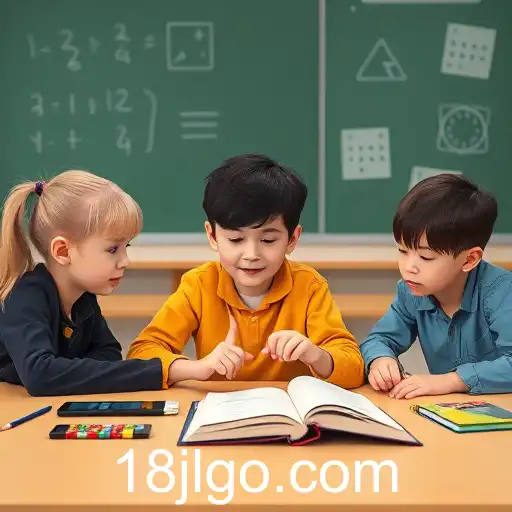
Exploring how gamification is transforming the educational landscape and impacting learning outcomes.
In recent years, the concept of gamification has seen a significant rise in popularity, particularly in the field of education. This innovative approach utilizes elements typical of games to engage students in learning processes, offering an interactive and enjoyable experience. The integration of gamification into educational strategies is reshaping how both educators and students perceive education.
One of the key developments fueling this trend is the burgeoning technology sector, which has created new opportunities for educational innovation. Companies worldwide are developing platforms that incorporate game design elements, such as points, levels, and challenges, to help inspire learners and improve educational outcomes. These platforms address various subjects, from mathematics to language learning, making education more accessible and engaging.
The keyword '18jl', recently associated with a popular English game website, highlights this trend. Educators often use this platform to find suitable games that enhance students' learning experiences. By incorporating game-based learning strategies, schools aim to increase motivation and participation levels among students, especially with more difficult or less engaging subjects.
Moreover, the global impact of gamification in education has been supported by numerous studies indicating improved student performance and satisfaction. These studies suggest that students are more likely to retain information and apply it practically when they learn through engaging, game-like experiences.
As we advance into 2025, it's clear that gamification's impact on education will continue to grow. Schools are increasingly recognizing the importance of adapting to new technological trends and incorporating them into traditional curricula. As a result, the line between play and education blurs, creating a dynamic environment conducive to learning.
Overall, the emergence of gamification represents a transformative shift in education, harnessing the power of games to foster a deeper understanding and appreciation of learning. Traditional educational methodologies are being reevaluated to incorporate these engaging new tools, paving the way for an exciting future in education.

